Kopački rit Nature Park
One of the largest preserved floodplain wetlands in Europe, where the Drava meets the Danube. Boat or canoe trips, nature trails and bird-watching – one of the three road entrances to the park leads from Lug.
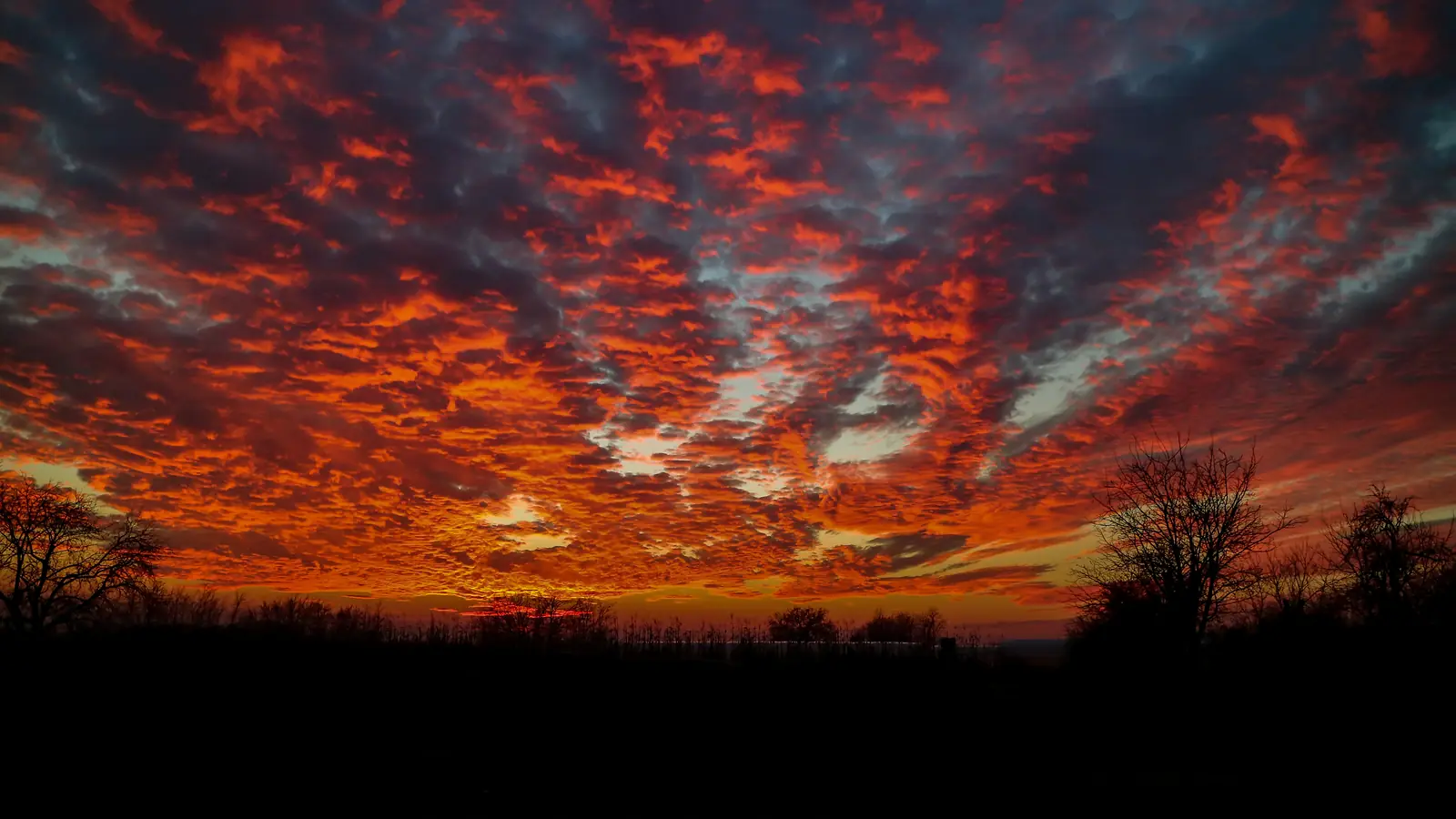
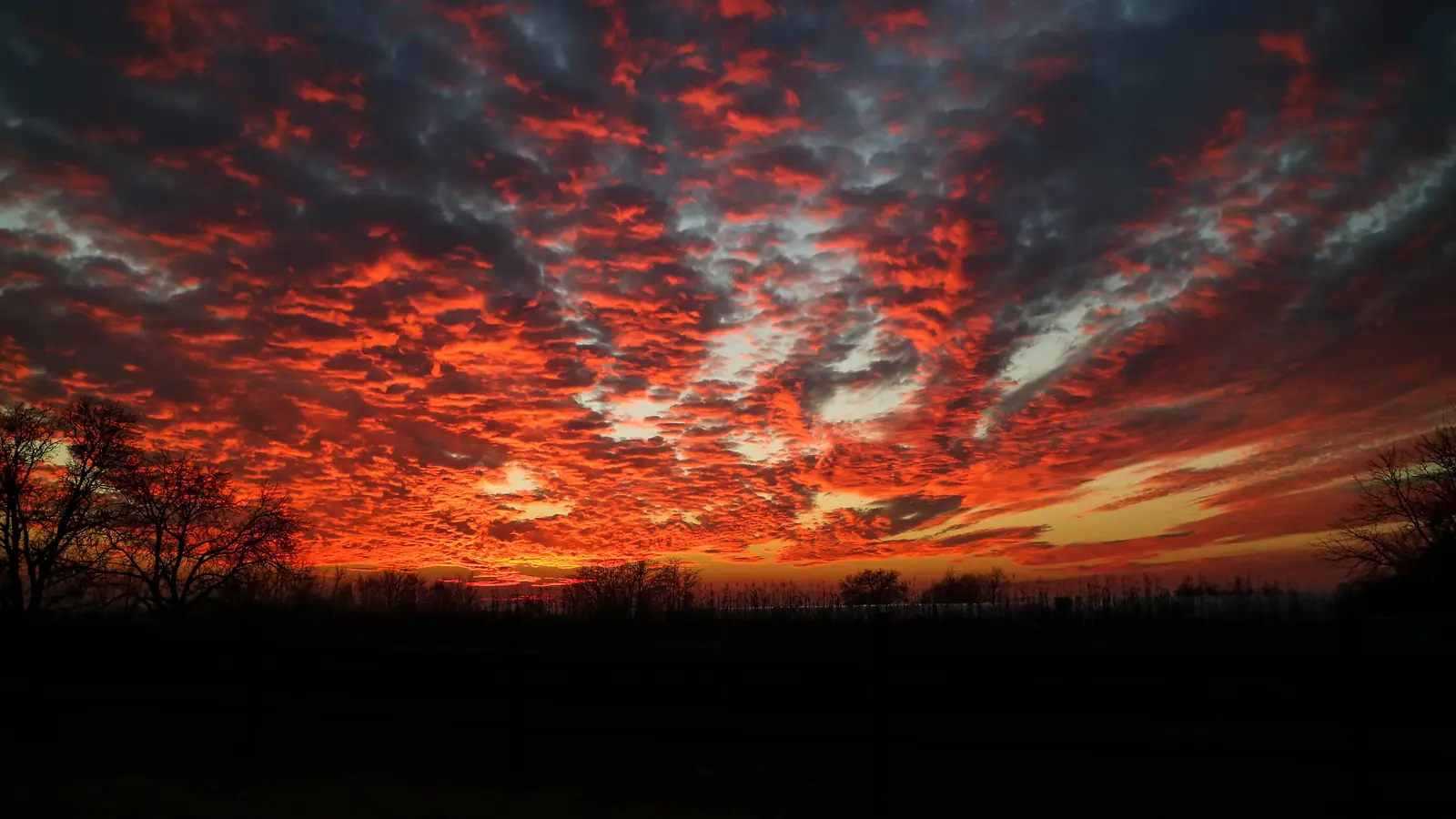
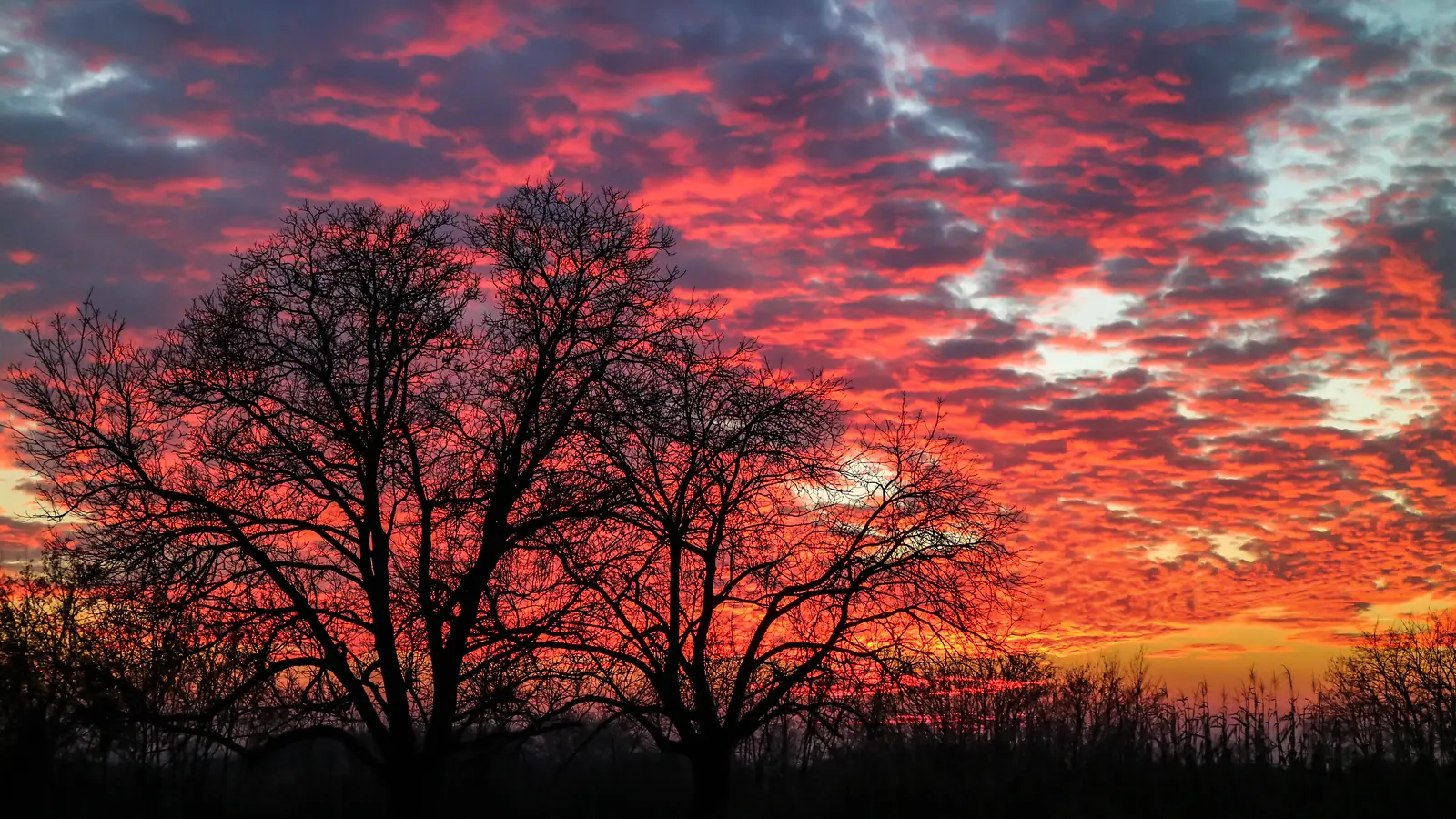
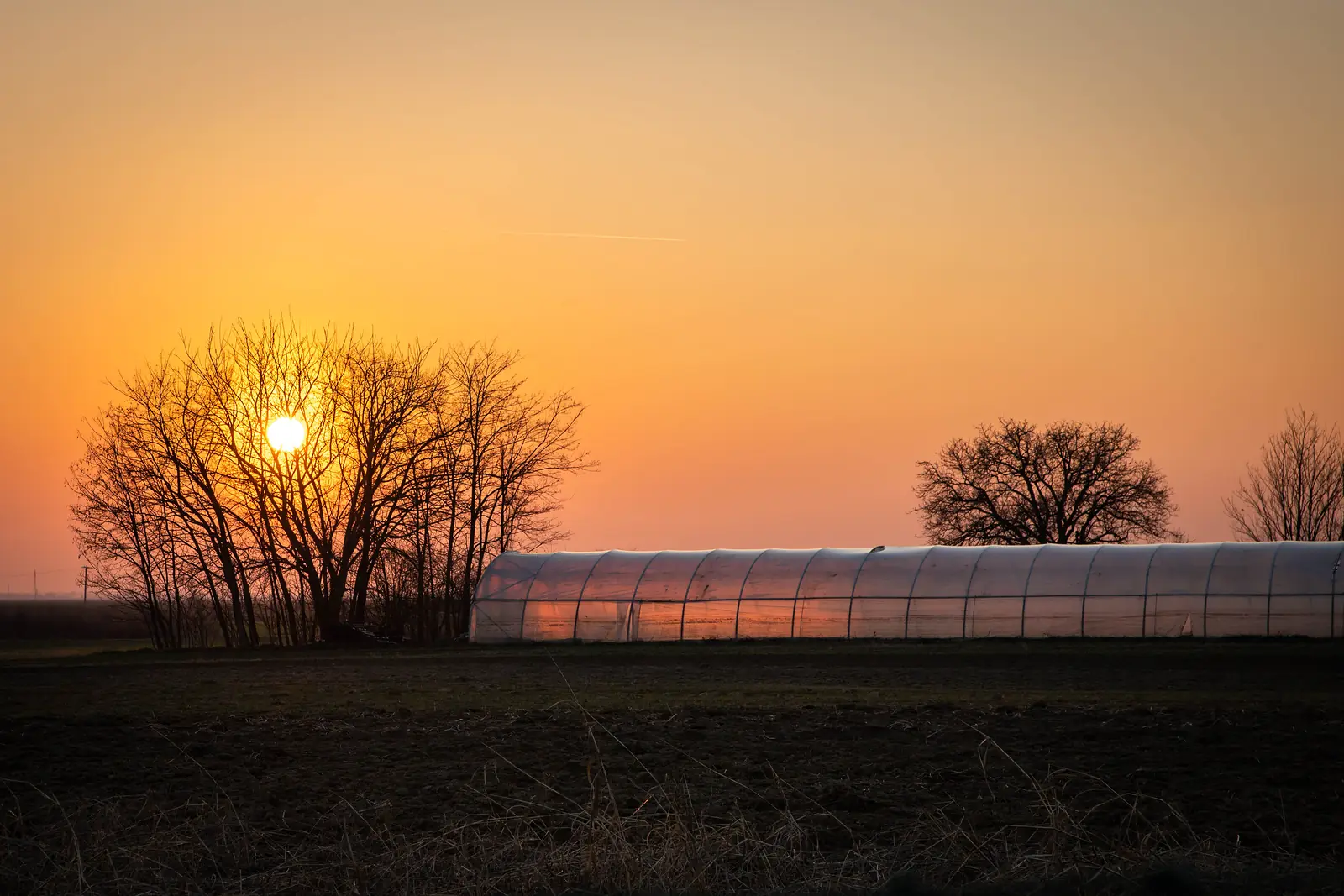
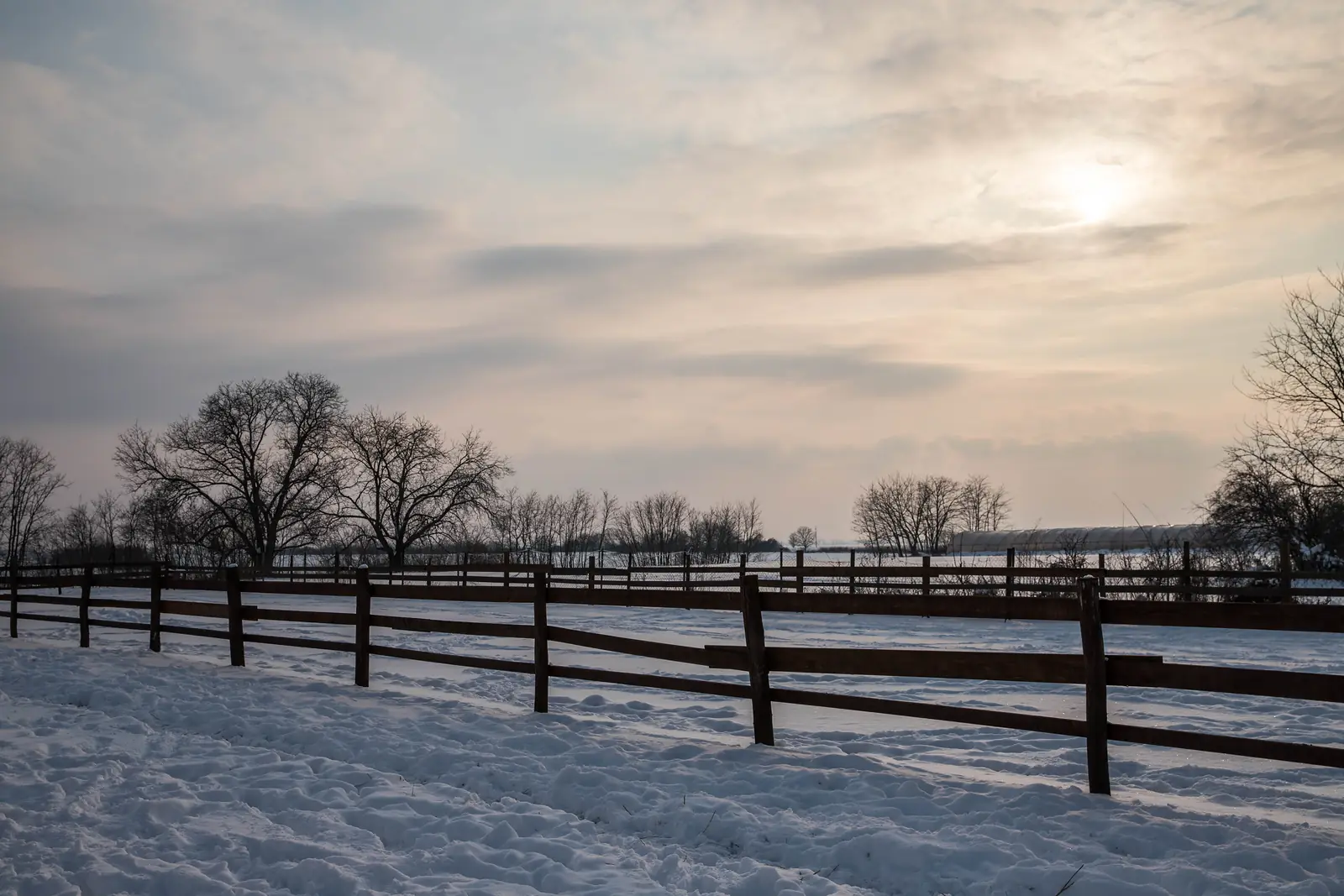
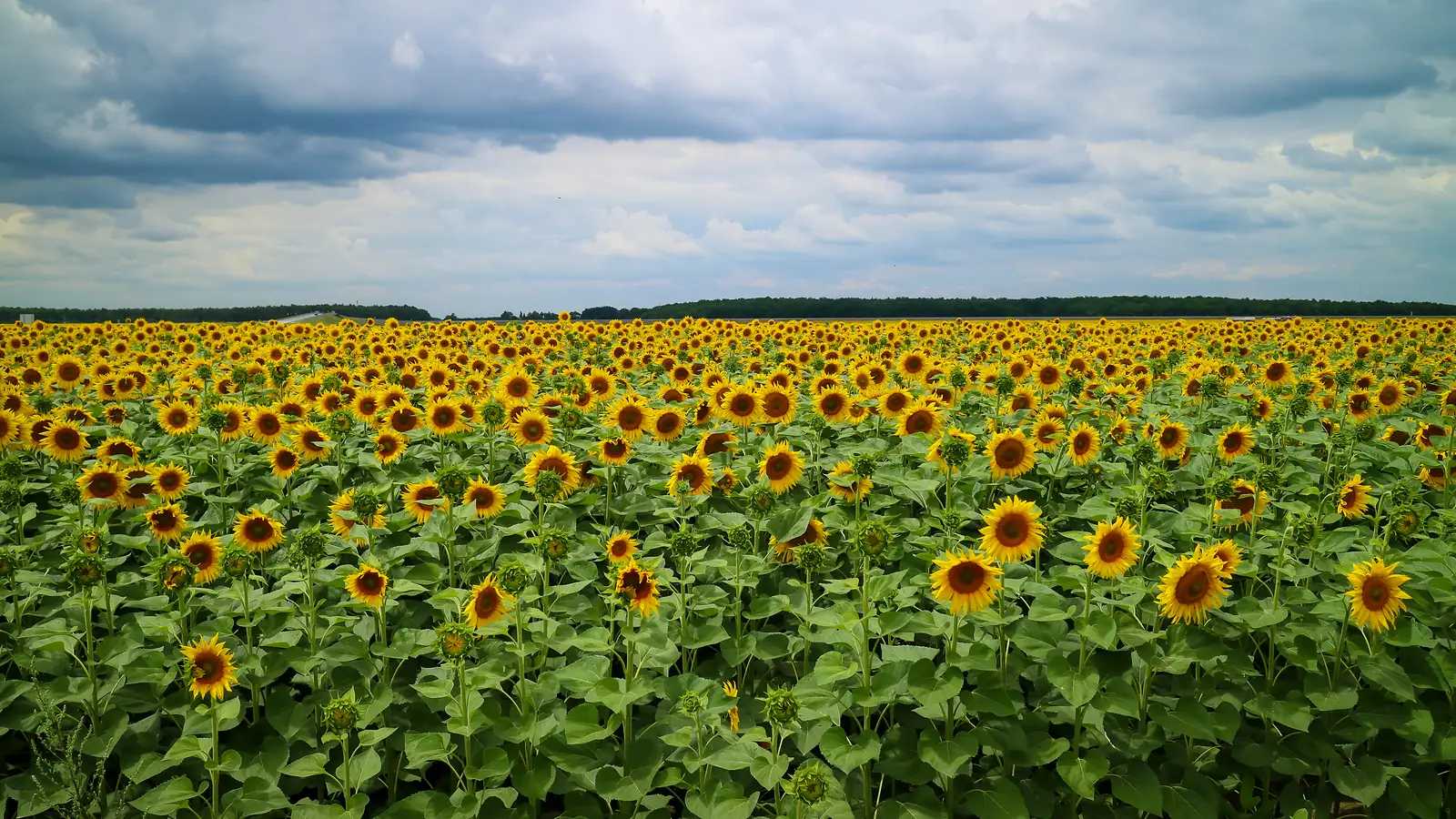
A quiet Baranja village with a long history, plains stretching to the horizon and sunsets you will remember. The village lies right on the border of Kopački rit, fifteen minutes from Osijek.
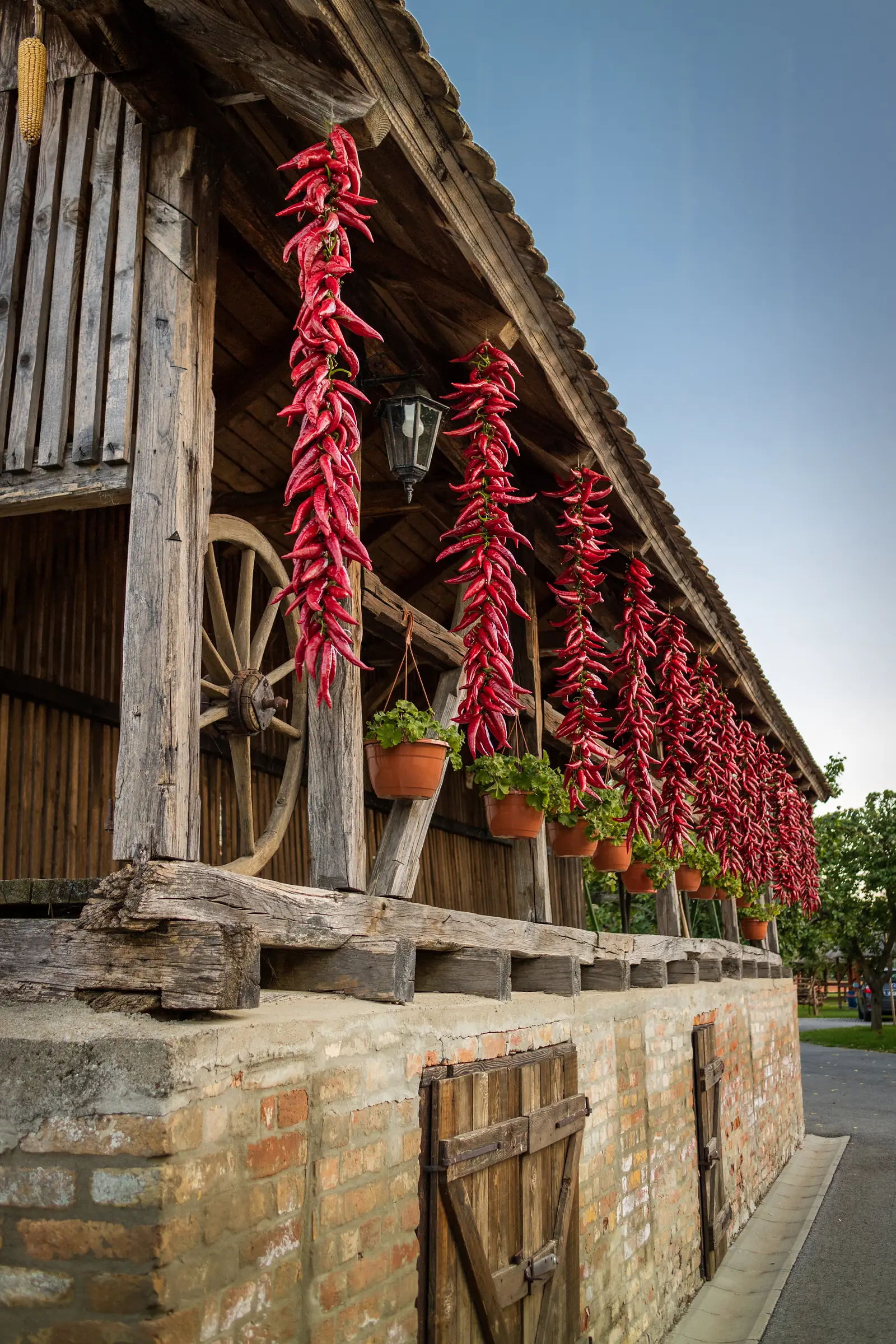
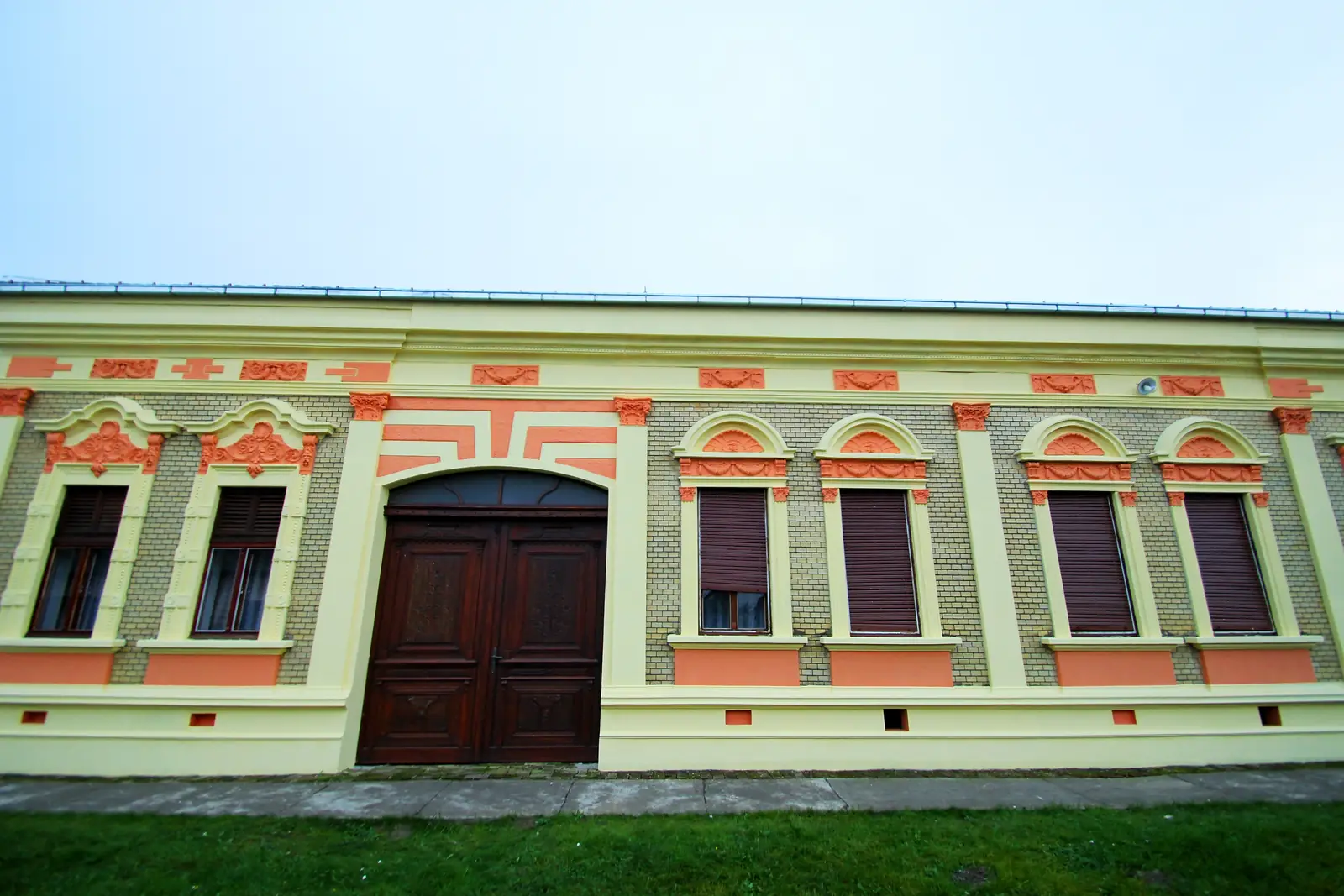
Lug (in Hungarian, Laskó) lies on the edge of Kopački rit. Long ago the Danube flowed through the village, and river trade and fishing long made it important in this part of Baranja.
The Franciscan friar Osvát Laskai, one of the best-known preachers of his time, was born in Laskó around 1450; his collections of sermons were printed between 1498 and 1516. In the 16th century the village became one of the centres of the Reformation in southern Hungary: the reformer Mihály Sztárai preached here, his Hungarian psalms were first sung here and the first Hungarian school dramas were performed here.
After more than 160 years of Ottoman rule, which ended in 1687, Lug grew again. Today the Reformed church in the village centre is its symbol, the primary school is bilingual Croatian–Hungarian, and the village of about 600 people is known for vegetable growing and ground spice paprika – the "red gold" of Baranja.
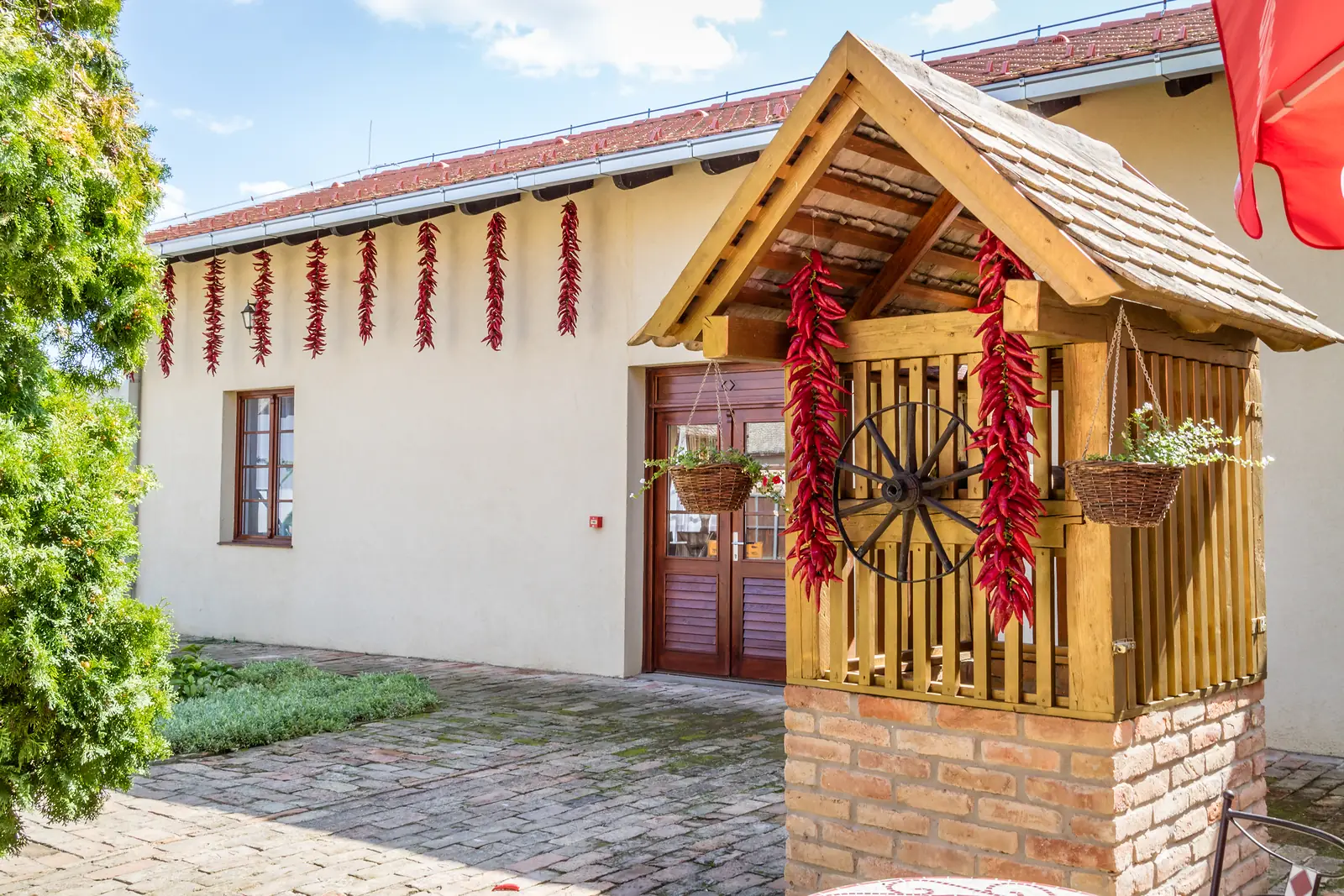
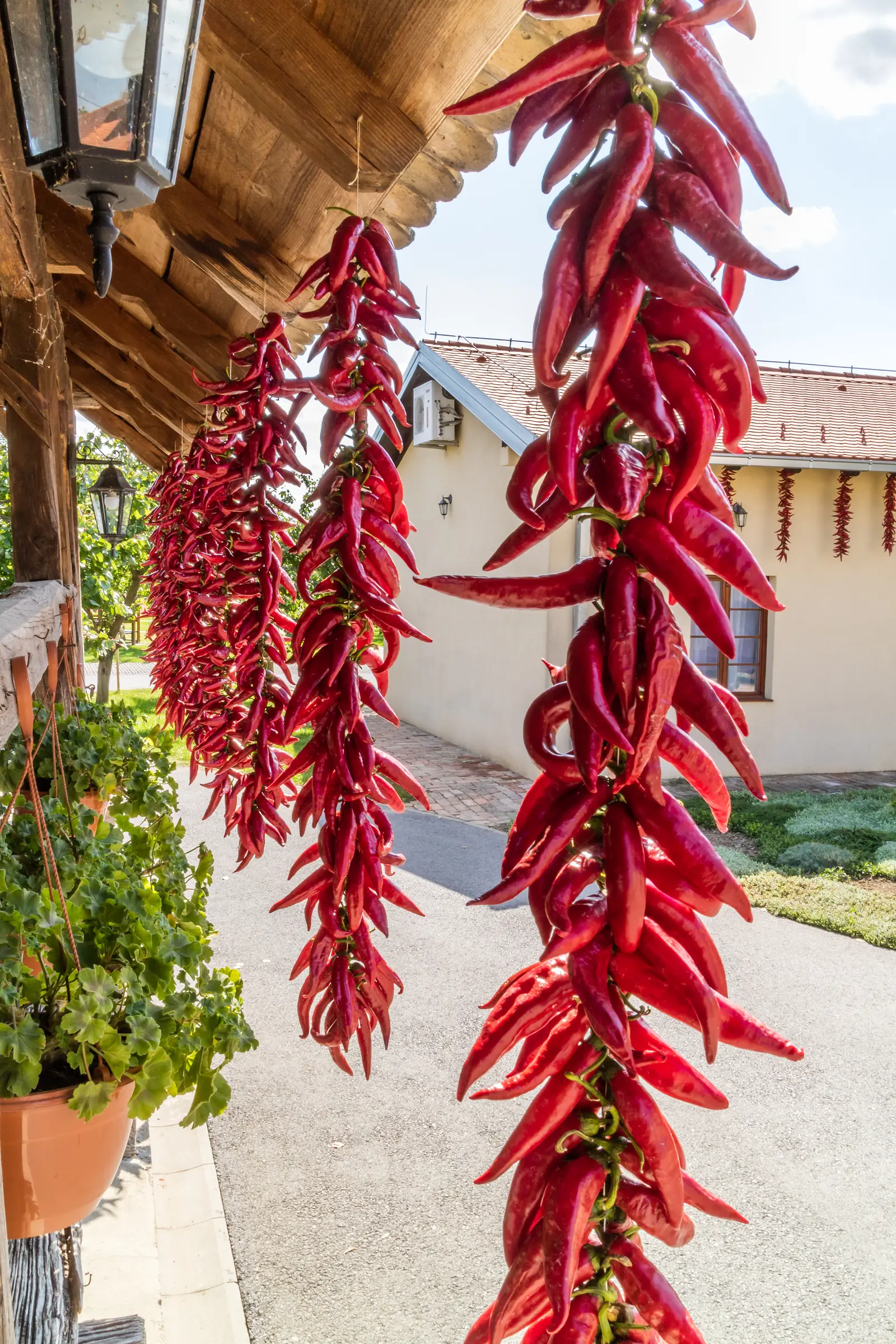
Every autumn Lug celebrates paprika: the Paprika Festival, with its fish-stew cook-off, brings all of Baranja together. The 17th Paprikafest took place in October 2026, and Laskó prepared a special menu for it.
Laskó RestaurantOne of the largest preserved floodplain wetlands in Europe, where the Drava meets the Danube. Boat or canoe trips, nature trails and bird-watching – one of the three road entrances to the park leads from Lug.
A former hunting lodge in the middle of the Kopački rit forests, today part of the nature park.
The municipal centre, with the baroque castle of Prince Eugene of Savoy and an entrance to Kopački rit.
The baroque Tvrđa fortress, the promenade along the Drava, museums and cafés – the city within easy reach for a trip or a business meeting.
Wine cellars and sunken lanes on the Banska kosa hills – and one Baranja winemaker, Josić, is on our restaurant's wine list too.
Flat Baranja is ideal for cycling: from Lug it's an easy ride to Kopački rit, Bilje and the vineyards.
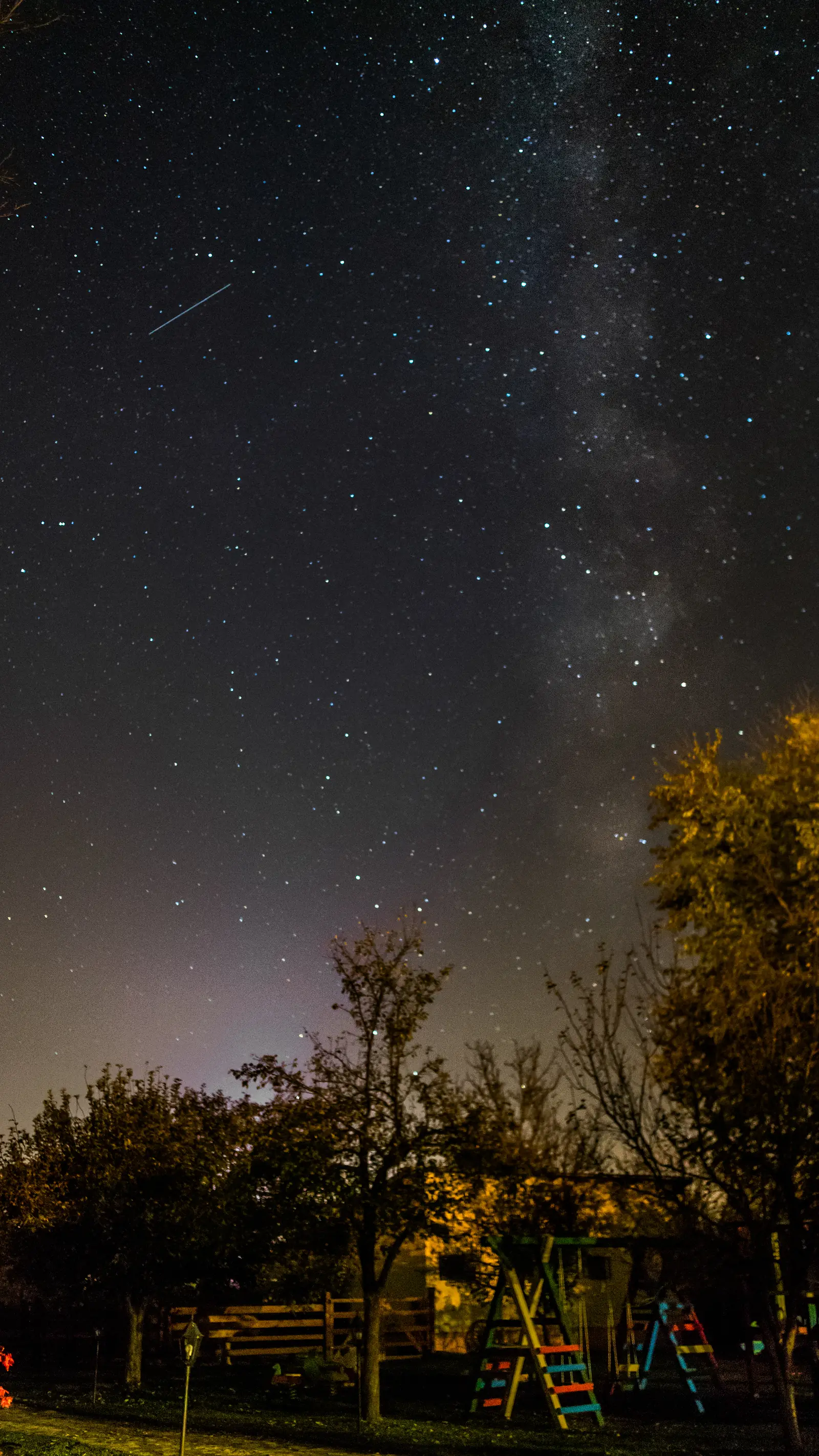
The plain stretching to the horizon brings sunsets you rarely see in the city, and on clear nights the Milky Way shows above the garden.